





First Look: Lobby, Menu, And Settings
Imagine you open the platform on a Tuesday night, you have 20 minutes, and you want zero surprises. The first thing to judge is not the game list - it is the structure: how quickly you can reach the lobby, the cashier, your profile, and the help section. If those four places are one tap away, the rest usually feels calmer.
Staycasino is presented as available to players in Australia, and your responsibility is to use it only if you are of legal gambling age where you live and the service is permitted for you. In practice, that means you treat onboarding like a checklist, not like a race.
A quick habit: open the lobby, open the account area, open the payment section, then return to the lobby. If the path back is confusing, you’ll feel it later when you try to change a limit mid-session.
How The Lobby Helps You Choose Faster
Picture this: you like a certain style of game, but you don’t remember the name, only the vibe. Players usually start with categories, then narrow down with filters, and finally save a few favourites for next time. When categories are clear, you spend time playing instead of scrolling.
Look for simple cues: recent games, favourites, and a search bar that actually finds what you type. If search results feel messy, build your own “short list” by saving titles you enjoy, then use that list as your default entry point.
Finding Limits And History Without Digging
Most people only look for account history when something goes wrong. Imagine you see a deposit confirmation, but your balance doesn’t update right away - you will want transaction history instantly, not after five clicks.
Check where statements live, how they are filtered, and whether you can see method type, status, and timestamps. Even without exact promises about processing, a clear label (pending, completed, reversed) helps you stay grounded.
Also locate responsible play controls now, not later. If you can’t find limits in under 30 seconds, treat that as a usability warning and slow down.
Registration Steps And Account Hygiene
Signing up is often easy, but “easy” can hide mistakes. Imagine you are on your phone, autocorrect changes your email, and you don’t notice. That tiny error becomes a full evening of password resets later.
Start by using an email address you actually check and a password you don’t reuse. Avoid rushing through consent toggles. If there are optional marketing switches, decide intentionally, then move on.
After registration, do not jump straight into games. Spend two minutes in profile settings. Add a recovery option, confirm your details, and note any prompts about identity checks that might appear later when you request a payout.
Verification is where people get emotional, because they meet it when they are already waiting for money. A calmer approach is to prepare early: keep a clear photo of your identification available, make sure your payment method details match your profile, and avoid frequent changes right before a cashout request.
A Two-Minute Safety Checklist Before You Play
If you want a simple routine, do this once and you’ll thank yourself later. Picture a weekend session where you switch between Wi-Fi and mobile data and the platform flags the login - having your settings tidy makes support interactions faster.
Enable any extra sign-in protection offered (a second step, device confirmation, or similar). Set a conservative deposit cap that matches your entertainment budget. Finally, find the logout button and use it once, just to confirm you know where it is.
Choosing Games Without Getting Lost
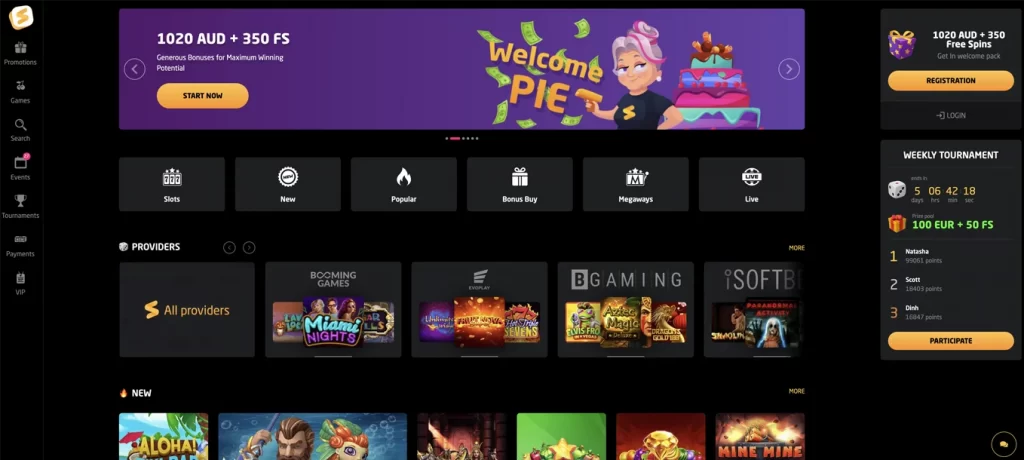
A large catalog can feel like a supermarket when you came in for milk. Imagine you open the games section and spend ten minutes browsing, then realize you’re tired and haven’t played anything. The fix is to browse with intent.
Create a “session shape” in your head: quick spins, a slower table game, or a live-style room where you watch the flow. Then pick games that match that shape. It prevents the endless-scroll trap.
Slots And Quick Sessions
Quick-play titles work best when you keep stakes small and sessions short. Picture yourself waiting for food delivery: you want a game that loads fast and doesn’t require a rulebook. That’s where slots usually fit.
Instead of chasing every new release, pick two or three you actually enjoy and rotate them. If you notice you are increasing stakes because you feel bored, that is a signal to stop, not a signal to “fix it” with bigger bets.
Table And Live-Style Play
Table games reward patience, not speed. Imagine you join a roulette table and the timer is counting down - the first spin can feel rushed. Start by observing a few rounds, then place small bets once you understand the rhythm.
In live-style rooms, be aware of distractions. Audio, chat, and rapid round cycles can pull you into autopilot. A practical move is to set a time reminder on your phone, then step away when it rings, even if you feel “one more round” coming.
Testing A Game Before You Commit
Many players jump in with real money and regret it after two minutes. Picture opening a game and realizing the animation is slow and the pacing annoys you. The better routine is to test the feel first: check loading time, controls, and clarity of the on-screen information.
If there is a low-stakes way to try a game, use it to learn the interface. Your first goal is comfort and clarity, not excitement.
Deposits, Withdrawals, And Keeping Records
Money features should feel boring. Imagine you are excited after a win, then the cashier throws confusing steps at you - that stress ruins the moment. A smooth cashier experience is clear amounts, clear confirmations, and a clean history trail.
When you add funds, keep it consistent. Switching methods frequently can trigger extra checks. Also avoid depositing while angry or tired. If you catch yourself thinking “I’ll win it back,” stop and take a break.
When you request a payout, checks may occur to protect accounts. That doesn’t mean something is wrong, it means the system is cautious. You can reduce friction by keeping your profile stable and responding quickly if questions appear.
Funding The Account Without Overspending
A realistic deposit plan is simple: pick a weekly entertainment budget, split it into session caps, and stick to it. Imagine you set a single big budget for the month - it feels flexible, but it often leaks away in small late-night sessions.
Use the platform’s limit tools if available, and back them up with your own habits: decide the maximum you will spend before you start, then do not renegotiate mid-session. If you want to increase limits, sleep on it and decide the next day.
Here is a quick reference you can use to stay organised without memorising details.
What You Want To Do | What To Check First | What Usually Causes Delays | A Simple Player Tip |
|---|---|---|---|
Add funds | Amount, method name, confirmation step | Bank approval screens, failed authentication | Pause 3 seconds before confirming |
Request a payout | Destination details, method ownership | Recent profile edits, incomplete documents | Keep one method consistent |
Track transactions | Status labels, timestamps, reference IDs | Multiple pending items at once | Screenshot the history page |
Change payment details | New details saved correctly | Security flags after rapid changes | Don’t change details right before cashout |
Cashout Requests And Common Friction Points
Imagine you request a payout and it shows as pending. The worst move is to panic and submit multiple requests. Instead, open history, confirm the status, and check whether there is a message in your account inbox asking for anything.
Another common friction point is identity matching. If your payment tool uses one version of your name and your account uses another, checks can take longer. Keep details aligned and avoid abbreviations that don’t match your documents.
If support asks questions, answer directly and briefly. Include the transaction reference, the time you submitted the request, and what you see on your screen. Clear facts often do more than long explanations.
Mobile Experience In 2026
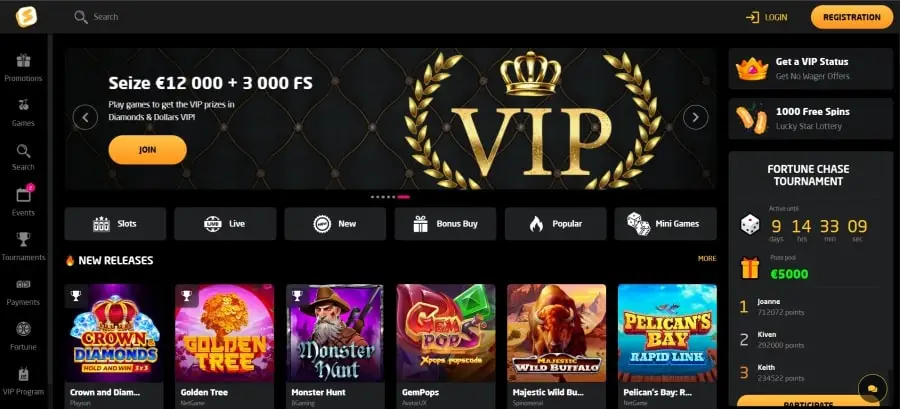
Most Australian players treat mobile as the default, not a backup. Imagine you have a short break at work, you want to log in, play for ten minutes, then leave without fuss. A mobile-friendly interface makes that possible when buttons are readable, menus are consistent, and pages load without heavy lag.
Check the basics: does the lobby resize cleanly, do categories stay readable, and can you reach the cashier without hunting? If the interface feels cramped, use landscape mode or switch to a different device for longer sessions.
Connectivity matters. If you move between Wi-Fi and data, you may see a reload, a re-login prompt, or a game refresh. The smart approach is to avoid higher stakes when your connection is unstable.
Also pay attention to device security. A phone is easier to lose than a laptop, and notifications can expose private information on a lock screen. Use a strong device passcode, enable biometric access, and log out after every session.
Responsible Play Tools: Limits, Timeouts, And Self-Exclusion
Responsible play is not a lecture, it is a set of controls you use like a seatbelt. Imagine you start a session relaxed, then a losing streak hits and your mood changes. That is exactly when pre-set limits do their job.
Look for spending caps, session reminders, and cooling-off options. The names differ, but the aim is the same: slow you down when emotion speeds you up. If the controls are easy to find and easy to activate, you are more likely to use them.
Australia has strong public messaging around safer gambling, and it’s worth treating that seriously. Keep your play as entertainment, not as a plan to pay bills. If you notice stress, secrecy, or chasing behaviour, take a break and use formal support resources in your area.
Setting Limits When You Feel Calm
The best time to set limits is before you play. Picture yourself saying, “I’ll decide later.” Later rarely arrives, and when it does, it comes with adrenaline. Set a deposit cap and a session time reminder while you’re neutral.
A limit is not a punishment, it’s a boundary. When you hit it, stop. No negotiations, no “one last top-up.”
Taking A Break Without Drama
A break is easier when it is built into your routine. Imagine you play every evening, and suddenly you want to cut back. Don’t try to quit on willpower alone. Use a timeout option for a few days, then see how you feel.
For longer breaks, self-exclusion tools can help you create distance. If you use them, treat it as a deliberate decision: write down why you’re doing it, then stick to the plan.
Support, Disputes, And What To Say
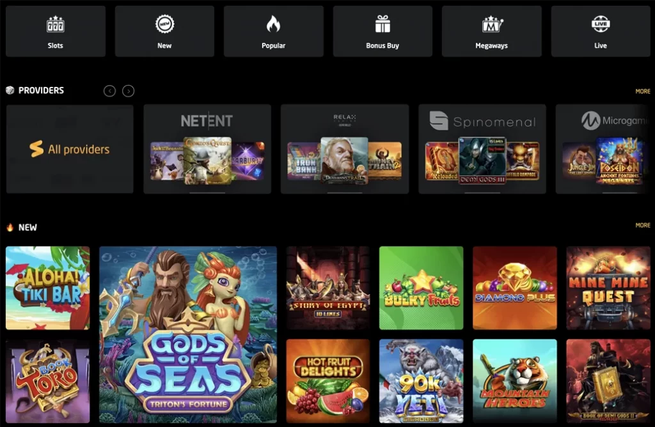
Support is where a platform either earns trust or loses it. Imagine a game freezes mid-round or a payment shows as pending longer than you expected. You don’t want poetry, you want a clear next step.
Before you contact anyone, gather your facts. Note the time, device, connection type, and what you already tried (refresh, logout, different browser). This turns a vague complaint into a solvable ticket.
Also set expectations: not every delay is wrongdoing. But you still deserve clarity. Ask for the specific action required from you, not for vague reassurance.
How To Write A Support Message That Gets Action
Picture the support agent on the other side: they see hundreds of messages a day. The ones that get solved fastest are structured. Start with one sentence explaining the issue, then add three facts: what happened, when, and what you see now.
Keep everything in one thread. If you have screenshots, show the relevant screen and don’t crop out timestamps.
If the issue is about a transaction, include the reference from your history and the method type. If the issue is about login, mention whether you recently changed your password or device. These details save time and reduce back-and-forth.